
Why Play-Based Learning Works Best for Young Children
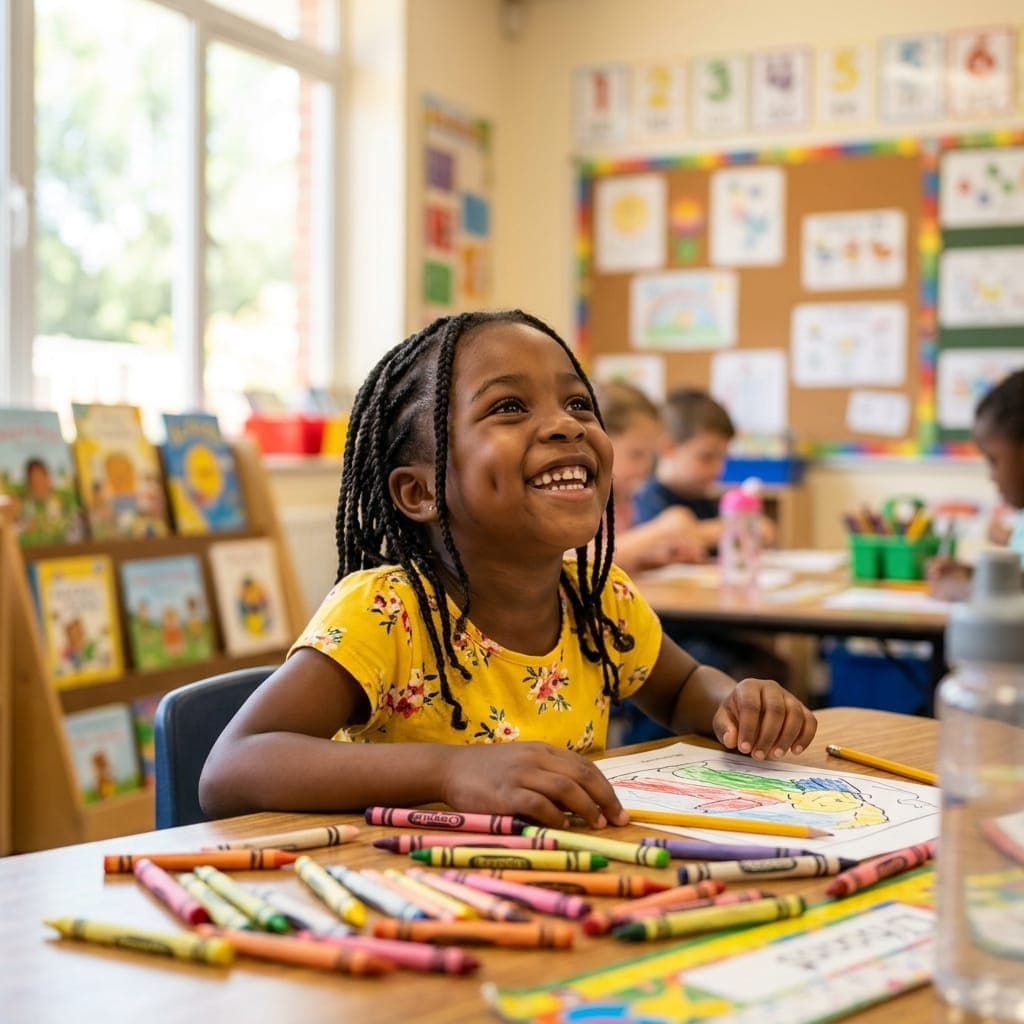
Ask a child what they learned in school today and you might get a shrug. Ask them about a game they played, a story they heard, or a puzzle they solved - and they will talk for twenty minutes.
This is not a coincidence. It is how children's brains are wired.
What the Research Shows
Developmental psychologists have studied play-based learning for decades. The findings are consistent: when children learn through play, they retain information significantly longer, engage more deeply with concepts, and are far more likely to apply what they have learned in new contexts.
The reason is biology. Play activates multiple cognitive systems simultaneously - memory, pattern recognition, emotional engagement, and motor learning. When a child is having fun, their brain is not in a passive receiving mode. It is actively connecting new information to what it already knows.
What This Looks Like in Practice
At TeKi-SL for Kids, every topic is taught through a three-part quest structure:
Story - A narrated story introduces the concept. The child watches and listens, building a mental model of what is being taught. Because it is narrated, no reading ability is required to engage.
Game - An interactive challenge reinforces the concept through repetition, immediate feedback, and a clear goal. When a child gets something right, they feel it instantly. When they get it wrong, they try again without shame.
Lab - A hands-on activity lets the child apply the concept themselves: sorting, matching, dragging, building, or creating. This is where understanding moves from short-term memory to long-term retention.
Why Fun Is Not a Shortcut
Some parents worry that making learning fun means making it easier or less rigorous. The opposite is true.
A child who is engaged is learning. A child who is bored is not - regardless of how academically sound the material is.
TeKi-SL for Kids does not simplify the Sierra Leone curriculum. It presents it through the medium that young children actually respond to. The same concepts, the same learning goals, delivered in a way that children will actually absorb.
The Role of Rewards
Rewards in learning are only effective when they are connected to genuine achievement. This is why Teki Gems on TeKi-SL for Kids are earned through real task completion - not just participation.
When a child counts five mangoes in the game, narrates the answer, and then receives a Teki Gem, the reward reinforces the specific cognitive achievement rather than rewarding passive presence.
That distinction matters enormously for building genuine confidence.
Ready to start your child's learning journey?
Enroll Now